
Seasonal
90° in February? Why Scottsdale's Early Heat Is Your AC's Wake-Up Call
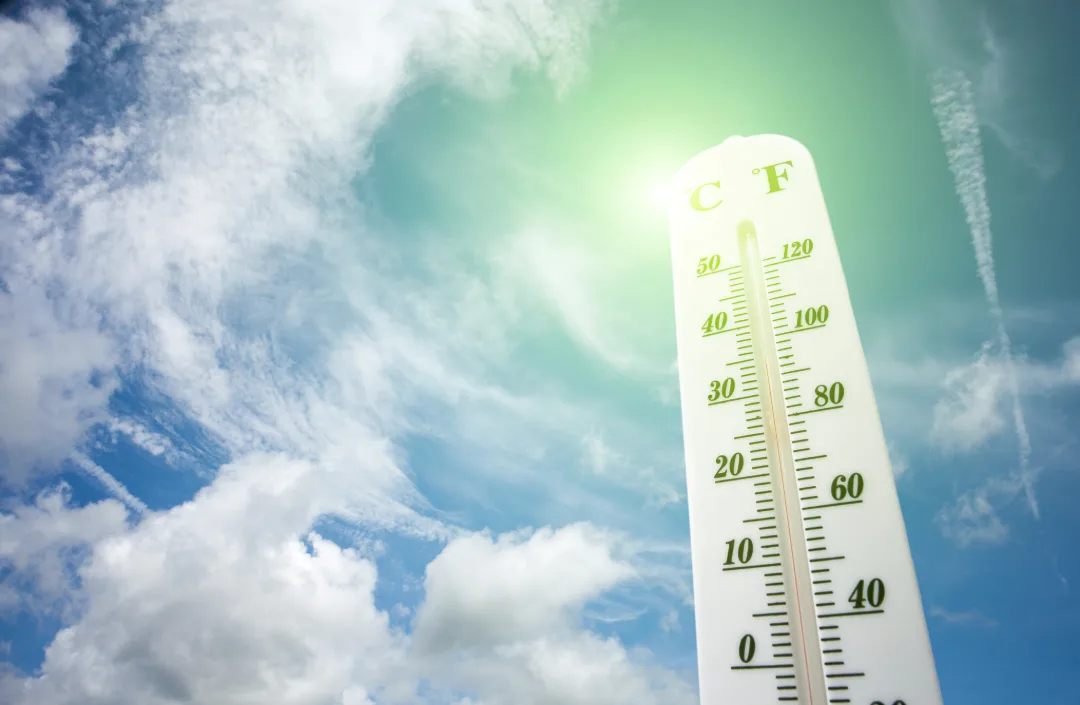
If you stepped outside this week and thought, "Wait, it's only February," you were right. Scottsdale just hit 90°F, about 20 degrees above the typical late-February high of around 70°F. This is not just unusual. It's a reminder that your air conditioner might not be as ready as you think.
This isn't normal February weather
Late February in Scottsdale usually means days in the low 70s, cool mornings, and maybe a light jacket at night. Hitting 90° this early is about 20 degrees above the seasonal average, and it catches most homeowners off guard.
The bigger pattern is easy to spot. Arizona has been trending toward earlier and stronger heat over the past several years. What used to be a late-April concern now shows up in February. That means your AC prep needs to start earlier too.
Why your AC might not be ready
Most systems have been sitting idle or running heat for the past few months. When temperatures suddenly spike, your AC has to start cooling under real load. That's when hidden problems show up.
- Dust buildup: Desert dust settles on coils, blower motors, and internal components all winter. When the system kicks on, that buildup can restrict airflow and make everything work harder.
- Dirty or clogged filters: If you haven't swapped the filter since fall, it's likely packed. A restricted filter reduces cooling efficiency and can cause the evaporator coil to freeze, per ENERGY STAR.
- Low refrigerant: Slow leaks are easy to miss. Your system may have lost enough refrigerant over the off-season that it cannot cool effectively. You may notice warm air from the vents and higher energy bills before you spot the leak.
- Worn capacitors: Capacitors degrade over time, especially through temperature swings. A weak capacitor can prevent the compressor or fan motor from starting reliably, which often shows up as the system clicking on and off repeatedly (short cycling).
None of these are emergencies yet. But if you wait until June, any one of them can turn into a breakdown on a 115° day when every HVAC company in the Valley is booked solid.
What you can do right now
You don't need to be an HVAC tech to get ahead of this. A few simple steps go a long way:
- Change your air filter. If it's been more than three months (or one month during heavy use), swap it out. This is the single easiest thing you can do to improve system performance.
- Clear the outdoor unit. Walk out to your condenser and make sure there's at least two feet of clearance on all sides. Remove any leaves, palo verde debris, or anything leaning against it.
- Run a test cycle. Set your thermostat to cool, drop it a few degrees below room temperature, and let the system run for 15 to 20 minutes. Listen for unusual sounds like grinding, buzzing, or clicking. Check that cold air is actually coming from the vents.
- Check your vents. Make sure supply and return vents aren't blocked by furniture, rugs, or closed dampers. Blocked airflow makes the system strain and cool unevenly.
- Schedule a tune-up before the rush. March and early April are the sweet spot. Technicians have availability, and you'll catch small issues before they become expensive mid-summer repairs.
The bigger picture: earlier heat, earlier prep
A decade ago, most Scottsdale homeowners didn't think about AC until April. That timeline doesn't hold anymore. When 90° days start showing up in February, the old "I'll deal with it in spring" approach means you're already behind.
Being proactive isn't just about comfort. It's also about cost. A well-maintained system runs more efficiently, lasts longer, and is far less likely to fail during peak demand. The U.S. Department of Energy notes that regular maintenance can reduce cooling costs by 5 to 15% and significantly extend equipment life.
Think of it this way: a tune-up in March is a couple hundred dollars and an hour of your time. An emergency compressor replacement in July is several thousand dollars and a week of sweating through it.
Quick checklist: February AC prep
- Replace or clean your air filter.
- Clear debris from around the outdoor condenser unit.
- Run a 15 to 20 minute test cycle and listen for anything unusual.
- Check that all vents are open and unobstructed.
- Inspect your thermostat and replace batteries if it is battery-powered.
- Schedule a professional tune-up before April.
Get ahead of summer
Scottsdale AC Pros offers maintenance tune-ups and same-day service so your system is ready before the real heat arrives. Book now while scheduling is easy. It won't be in May.
Learn more about what's included in our maintenance tune-up service.
Ready to get your AC checked?
Beat the spring rush. We will inspect your system, flag any issues, and make sure you are set for summer.